What Machine Vision Really Does on Your Production Line
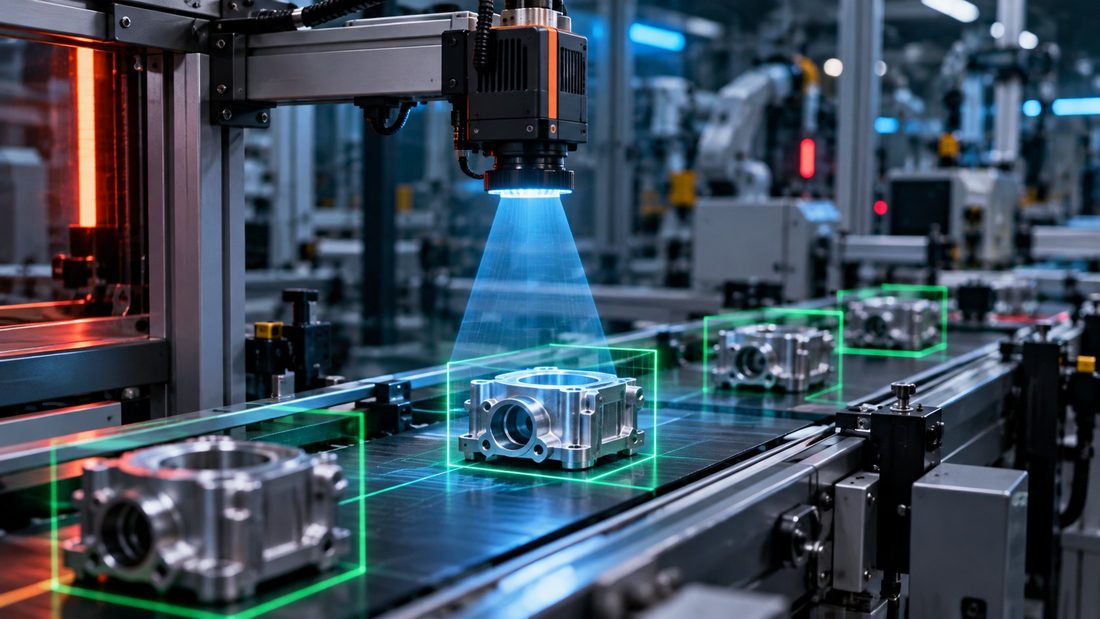
Ask ten engineers what “machine vision” means and you will get ten answers — a camera, a sensor, an AI, a robot’s eye. In practice it is something more specific: a system that captures an image, extracts a measurement from it, and turns that measurement into a decision your line can act on, in milliseconds, every time.
From pixels to a decision
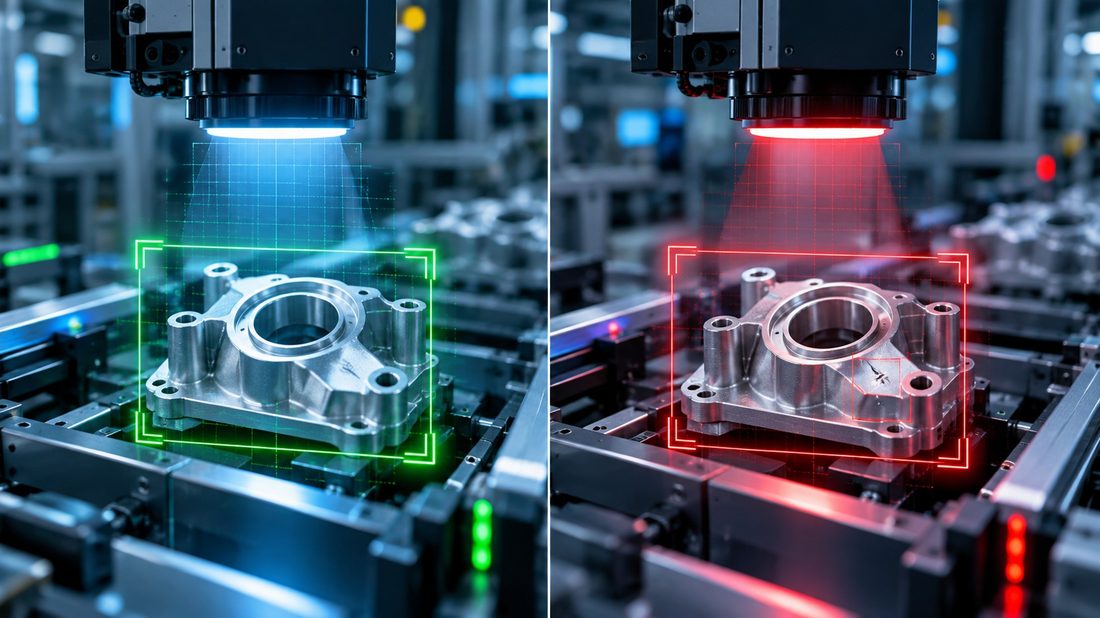
Every inspection follows the same four steps. First, acquisition — a camera and the right lighting freeze the part at the right moment. Second, processing — algorithms locate the feature that matters, whether that is a cap, a weld, a barcode, or a printed date. Third, measurement — the system reads a value: present or absent, in-tolerance or out, correct colour or wrong. Fourth, communication — an OK or NG signal is sent to the PLC, the reject arm, or the MES database.
The magic is not in any single step. It is in doing all four reliably, at line speed, under factory lighting, for months without drift.
Where it pays back first
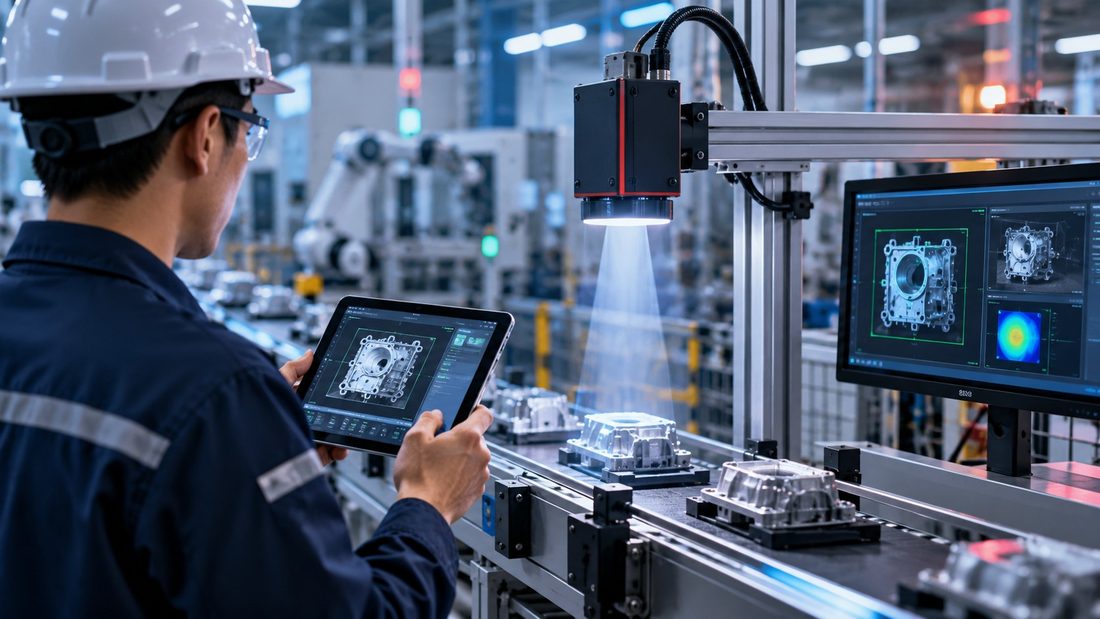
The highest-return projects are rarely the most glamorous. Error-proofing — confirming the right part is fitted before assembly — quietly prevents the recalls that cost the most. Presence and count checks catch missing screws, caps, and tablets before they leave the cell. Code reading and OCR tie every unit to a traceable record. None of these require a data-science team; they require the right camera, the right light, and a stable trigger.
A good vision project removes a decision a human was never meant to make thousands of times a day — accurately, and without fatigue.
What to check before you buy
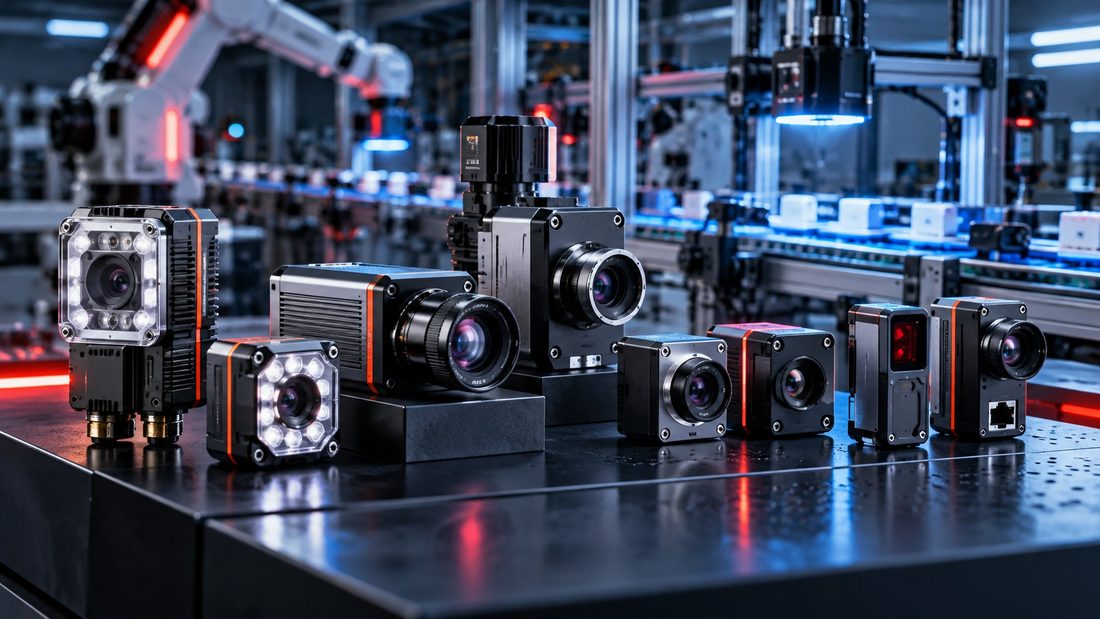
Three questions decide most projects. Can you present the feature to the camera consistently? Can you light it so the defect is visible? And can the line tolerate the cycle time the inspection needs? Answer those honestly and the technology choice — smart camera, code reader, or 3D sensor — usually follows on its own.
At GSO we start every engagement with a feasibility image, not a quotation. If we cannot make the defect obvious in a photograph, no algorithm will make it obvious on the line. That single discipline is why our deployments hold their accuracy long after commissioning.